
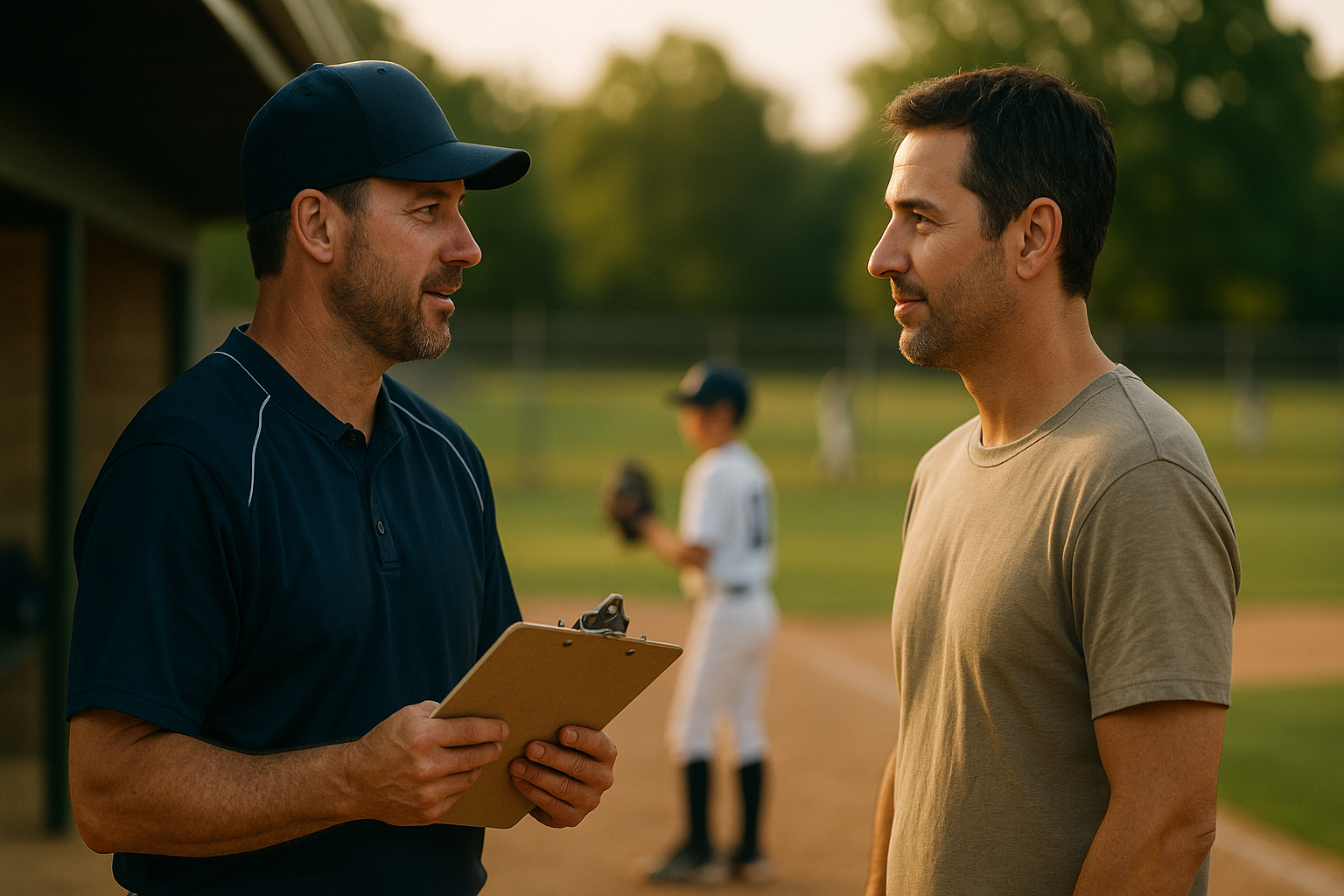
Why Parent–Coach Communication Matters
Clear, respectful communication between parents and coaches is one of the most important factors in creating a positive youth sports experience. When handled well, communication builds trust, reduces misunderstandings, and keeps everyone focused on the most important goal: player development. When handled poorly, it can lead to tension, confusion, and unnecessary stress for families and coaches.
Understand the Coach’s Communication Style
Start by learning the coach’s preferred method of communication. Many teams rely on apps, email, or group messaging platforms to share schedules, updates, and expectations. Before reaching out, review these channels to ensure your question hasn’t already been answered. Respecting the established system helps keep communication efficient and organized.
Choose the Right Time to Reach Out
Timing is just as important as the message itself. Avoid approaching coaches immediately before, during, or after games and practices, when emotions and focus are high. If an issue arises, wait at least 24 hours before initiating contact. This pause often leads to more thoughtful and productive conversations.
Focus on Development, Not Playing Time
When communicating, keep the discussion centered on your child’s development rather than playing time, positions, or comparisons to other players. Questions like, “What areas should my child work on?” or “How can we support development at home?” demonstrate a shared commitment to growth and improvement.
Communicate Clearly and Respectfully
Be calm, clear, and concise when expressing concerns or asking questions. Communication should be a two-way conversation, not a confrontation. Listen carefully to the coach’s perspective, even if you disagree. Remember that coaches make decisions with the entire team in mind and manage multiple players and families.
Encourage Player Self-Advocacy
As players get older, parents should encourage them to communicate directly with coaches. Teaching athletes to ask questions, request feedback, and take ownership of their development builds confidence and accountability. Parents can support these conversations without speaking on their child’s behalf.
Know What Is Appropriate to Discuss
Certain topics—such as logistics, injuries, safety concerns, and overall development—are always appropriate. Playing time, roles, and strategy can be discussed respectfully but should never be demanded. Criticizing other players, coaches, or team decisions undermines trust and damages team culture.
Building a Strong Partnership
Effective parent–coach communication is built on respect, patience, and shared purpose. When families and coaches work together thoughtfully, they create a supportive environment where players can learn, grow, and enjoy the game—both on and off the field.