
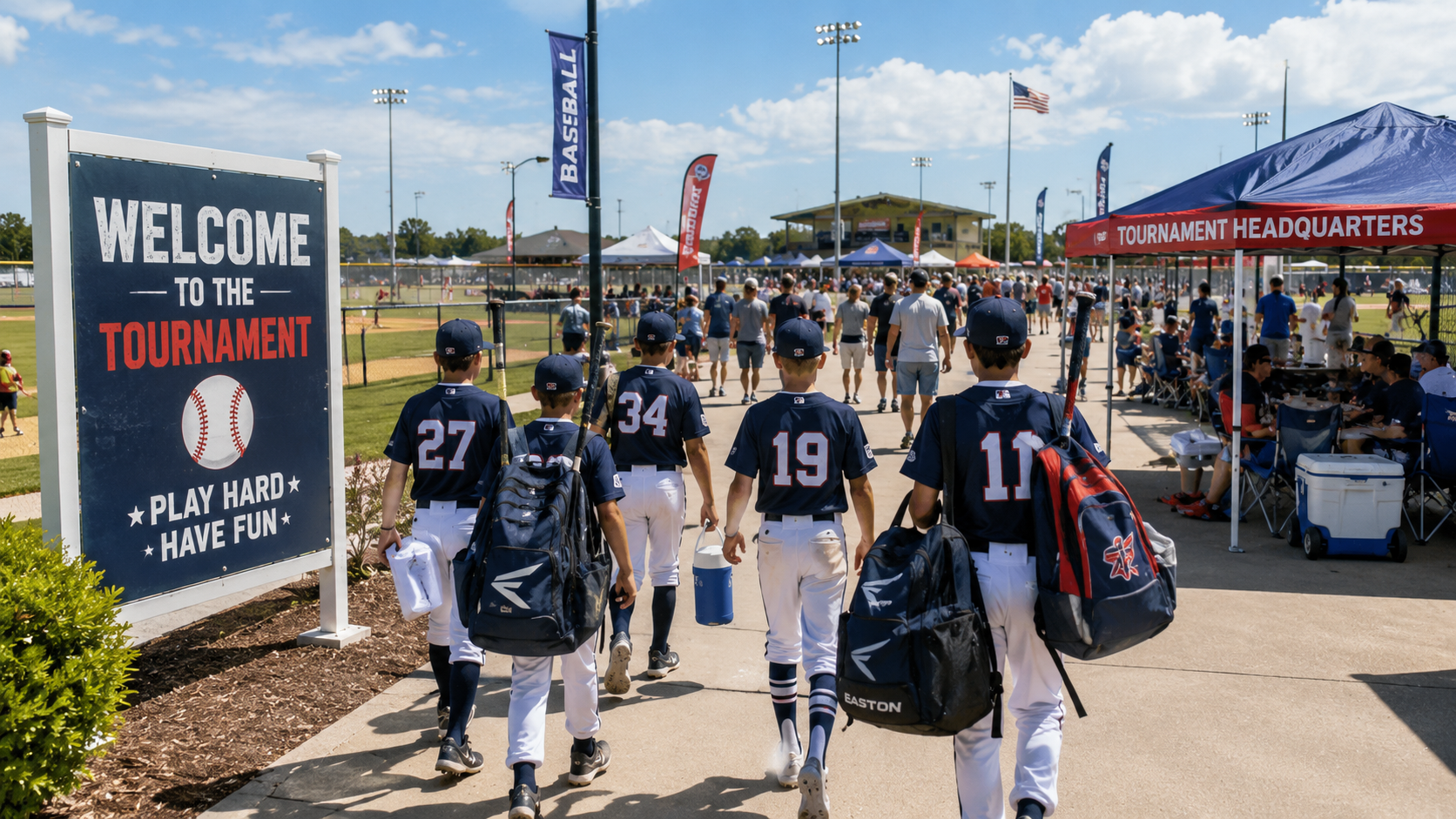
For many families, entering the world of tournament baseball can be both exciting and overwhelming. Tournament baseball often involves more travel, greater competition, larger financial commitments, and a more demanding schedule than recreational baseball. While the experience can provide tremendous opportunities for player development and family memories, it also requires a different level of preparation and understanding. Parents play a critical role in helping young athletes navigate the challenges and opportunities associated with tournament baseball while ensuring the experience remains positive and enjoyable.
Understanding the Tournament Baseball Environment
Tournament baseball differs significantly from traditional recreational leagues. Teams often practice more frequently, travel greater distances, and compete against opponents from different communities, regions, and even states. Players may participate in multiple games over a weekend, requiring increased physical and mental preparation.
Families should expect longer days at the ballpark, changing schedules, and more logistical planning. Tournament weekends frequently involve early mornings, late evenings, and periods of downtime between games. Learning to manage these demands can make the experience far more enjoyable.
Parents should also understand that competition levels vary considerably. Some tournaments focus primarily on player development, while others attract highly competitive teams seeking championship opportunities. Understanding a team’s goals and expectations helps families align their own expectations appropriately.
Communication is essential. Coaches, tournament directors, and organizations rely on parents to stay informed regarding schedules, rules, and tournament procedures. Families who remain engaged and informed often have a smoother experience throughout the season.
Supporting Your Player Throughout the Season
One of the most important responsibilities of a tournament baseball parent is providing consistent support. Players will experience both success and adversity throughout the season. Wins and losses, great performances and difficult games, are all part of the developmental process.
Parents should focus on effort, attitude, preparation, and sportsmanship rather than statistics or outcomes. Young athletes benefit most when they feel supported regardless of their performance on the field. Encouragement after difficult games often has a greater impact than praise after successful ones.
Tournament baseball can also create significant demands on family schedules. Balancing baseball with academics, family activities, and personal downtime is important for long-term success and well-being. Maintaining perspective helps ensure that baseball remains a positive part of a child’s life rather than becoming a source of unnecessary pressure.
Building relationships with other families can also enhance the tournament experience. Many lasting friendships are formed through shared travel experiences, tournament weekends, and team activities.
Managing Expectations, Costs, and Commitments
Tournament baseball requires both financial and time commitments. Families should understand team fees, travel expectations, tournament schedules, and additional expenses before committing to a program. Budgeting and planning ahead can help reduce stress throughout the season.
Parents should also recognize that player development is not always linear. Improvement often occurs gradually and may not always be reflected in immediate results. Patience and realistic expectations help create a healthier environment for young athletes.
Every player’s journey is unique. Comparing a child to teammates or opponents rarely benefits development. Instead, parents should focus on individual growth, enjoyment of the game, and personal improvement.
Conclusion
Tournament baseball can provide incredible opportunities for young athletes and their families. Understanding the competitive environment, supporting players through both successes and challenges, and maintaining realistic expectations can help create a rewarding experience for everyone involved. By focusing on development, sportsmanship, and enjoyment, parents can play a vital role in helping their child build confidence, skills, and lifelong memories through tournament baseball.