
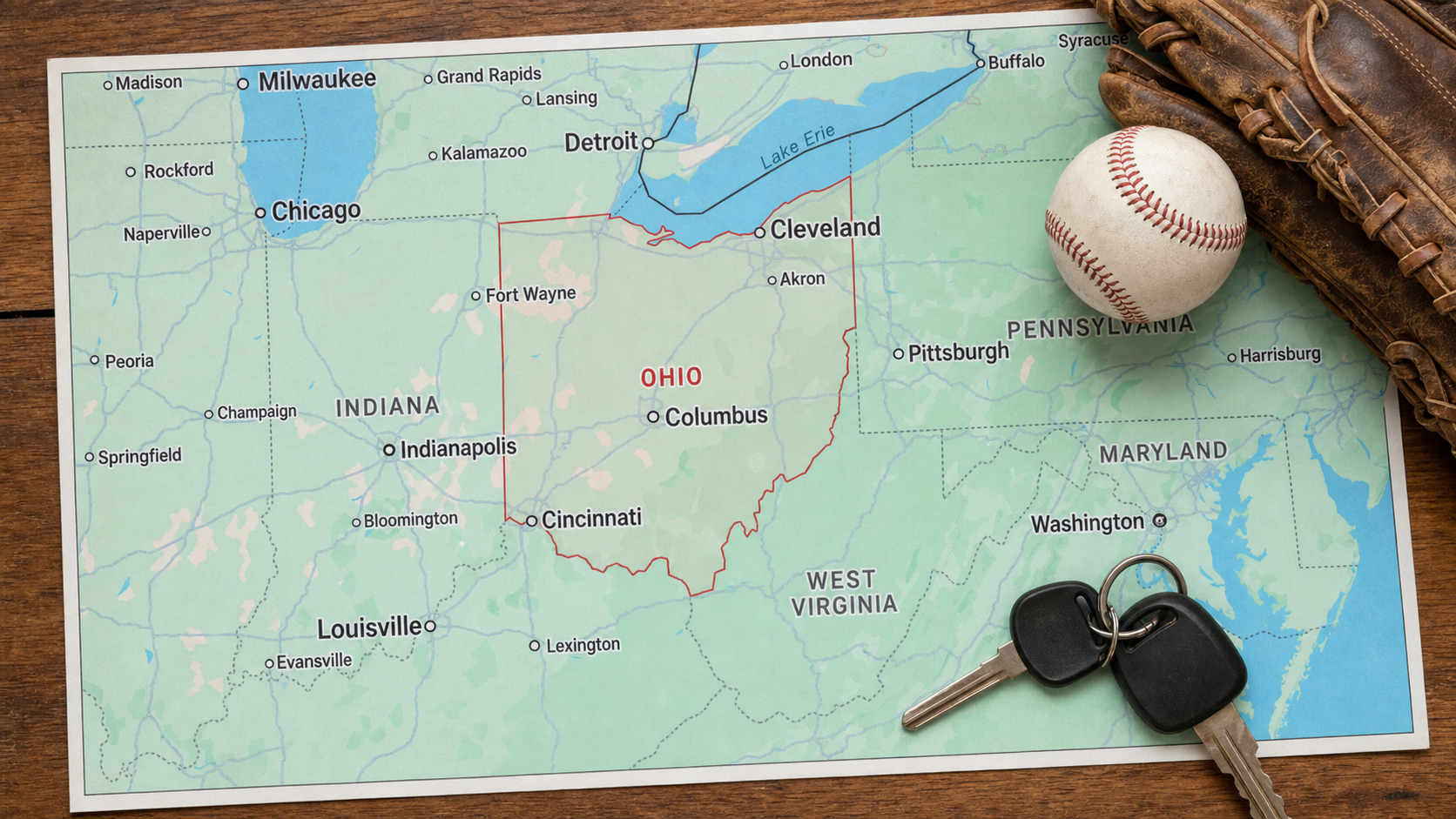
Travel baseball is about more than playing games close to home. As teams develop, out-of-state and destination tournaments can provide new challenges, stronger competition, and memorable experiences that are difficult to recreate during a traditional local weekend. These events require additional planning and expense, but they can deliver significant benefits for players, coaches, and families.
From facing unfamiliar opponents to strengthening relationships away from the field, destination tournaments can become some of the most valuable experiences on a team’s schedule. The key is choosing events that match the team’s age, skill level, budget, and competitive goals.
Experience New Competition
One of the greatest benefits of traveling out of state is the opportunity to face unfamiliar teams. Local tournaments often feature many of the same organizations throughout the season. Although these games can still be competitive, teams may become familiar with their opponents’ players, coaches, and strategies.
An out-of-state tournament creates a new challenge. Players may face different pitching styles, defensive approaches, and levels of athleticism. Coaches must prepare without relying on previous experience against an opponent. This encourages players to observe the game, make adjustments, and respond confidently to unfamiliar situations.
Competing against teams from other regions can also give coaches a better understanding of where their team stands. Strong performances may confirm that the team is ready for a higher level of competition, while difficult games can reveal areas that need additional development.
Encourage Player Development
Destination tournaments can support player development by placing athletes in situations outside their normal routines. Players must adjust to new fields, different game schedules, unfamiliar opponents, and the physical demands of travel.
These experiences teach adaptability. A player may need to adjust to a larger field, an earlier start time, a different playing surface, or weather conditions that are uncommon at home. Learning to remain focused despite these changes is an important part of athletic development.
Out-of-state tournaments can also expose players to higher levels of competition. Facing stronger opponents may initially be difficult, but it can show athletes what is required to compete at the next level. Players often return home with a clearer understanding of the skills, preparation, and effort needed to improve.
For older athletes, destination events may help prepare them for the demands of high school, college, and advanced travel baseball. Those opportunities frequently involve long drives, hotel stays, changing schedules, and games played away from familiar surroundings.
Strengthen Team Chemistry
Traveling together gives players more opportunities to build relationships outside of practices and games. Time spent at hotels, restaurants, attractions, and team activities allows players to learn more about one another and form stronger connections.
This improved chemistry can carry onto the field. Players who trust and understand their teammates often communicate more effectively and respond better during difficult moments. A team that has shared meals, travel experiences, and recreational activities may feel more connected when facing adversity during a game.
Coaches can support this process by planning activities that include the entire team. A group dinner, visit to a local attraction, or relaxed gathering at the hotel can create meaningful opportunities for players to interact. These activities do not need to be expensive or elaborate. The goal is simply to create shared experiences beyond baseball.
Destination tournaments can also help new players and families feel more connected to the organization. Spending an extended weekend together often builds relationships more quickly than a schedule consisting only of practices and local games.
Build Independence and Responsibility
Travel tournaments require young athletes to take greater responsibility for their preparation. Players must keep track of uniforms, gloves, bats, water bottles, and other equipment while following a schedule that may change throughout the weekend.
They also learn the importance of sleep, hydration, nutrition, and recovery. A player who stays up too late, forgets equipment, or fails to eat properly may notice the effects during the next game. These experiences can teach lessons about preparation in a practical and memorable way.
Coaches and parents should provide age-appropriate support while allowing players to handle some responsibilities themselves. Younger athletes may pack their equipment with a parent’s help, while older players can be expected to manage their own bags, uniforms, and game-day routines.
These habits can benefit athletes beyond baseball. Organization, punctuality, personal responsibility, and adaptability are valuable skills in school, future employment, and everyday life.
Create Lasting Family Memories
Destination tournaments often become family vacations built around baseball. Families may visit beaches, amusement parks, museums, restaurants, or other attractions between games or after the tournament ends.
For many parents, these shared experiences become some of their favorite memories from their child’s playing years. The final score may eventually be forgotten, but families often remember the road trip, team dinner, hotel gathering, or afternoon spent exploring a new destination.
Siblings can also be included in the experience. Planning activities that appeal to the entire family helps ensure that the trip feels like more than a baseball obligation. Some families extend their stay by a day or two so they can enjoy the destination without worrying about the tournament schedule.
The opportunity to combine baseball and family travel can make the cost of a destination tournament feel more worthwhile, particularly when the trip replaces or becomes part of a planned family vacation.
Develop Coaches and the Team
Out-of-state competition challenges coaches as well as players. Coaches must evaluate unfamiliar opponents, manage pitching across multiple games, adjust lineups, and keep the team focused in a different environment.
These events can reveal important information about a roster. Coaches may discover which players respond well under pressure, which defensive combinations are most effective, and where the team needs greater depth. Tournament travel can also highlight the importance of communication, preparation, and clearly defined player roles.
A destination tournament can give a team a meaningful goal to work toward during the season. Practices and local games may feel more purposeful when players know they are preparing for a major event. The tournament can serve as a reward for the team’s commitment while also providing an opportunity to measure its progress.
Gain Exposure to New Baseball Communities
Traveling outside Ohio allows players and families to experience how baseball is organized and played in other regions. Tournament facilities, local traditions, styles of play, and competitive environments can vary significantly.
Meeting other teams can expand a player’s view of the sport and create new connections. Older athletes may also attend events that attract scouts, college coaches, or respected baseball organizations. Exposure should not be the only reason to choose a tournament, and it is never guaranteed, but the right event can introduce players to opportunities beyond their local area.
Make the Experience Worthwhile
The benefits of a destination tournament depend on selecting the right event. Coaches should consider the team’s age, classification, skill level, travel distance, entry fee, game guarantee, and expected competition. Families should receive clear information about lodging, transportation, meals, gate fees, and other potential expenses before making a commitment.
A team does not need to attend several destination tournaments every season. For many organizations, one carefully selected out-of-state event provides the right balance. It gives players and families something special to anticipate without placing excessive pressure on the schedule or budget.
Coaches should also leave time for rest and family activities. Filling every available hour with practices, meetings, and games can reduce the enjoyment of the trip and contribute to fatigue.
Conclusion
Out-of-state and destination tournaments can benefit a travel baseball team in ways that extend far beyond wins and losses. They introduce players to unfamiliar competition, encourage independence, strengthen team chemistry, challenge coaches, and create lasting family memories.
The experience requires thoughtful planning and a realistic understanding of the costs. When the tournament matches the team’s goals and families are prepared for the commitment, traveling can become an important part of player development and team culture. A well-planned destination tournament gives athletes the chance to grow as players, connect as teammates, and enjoy an experience they may remember long after their final game.