
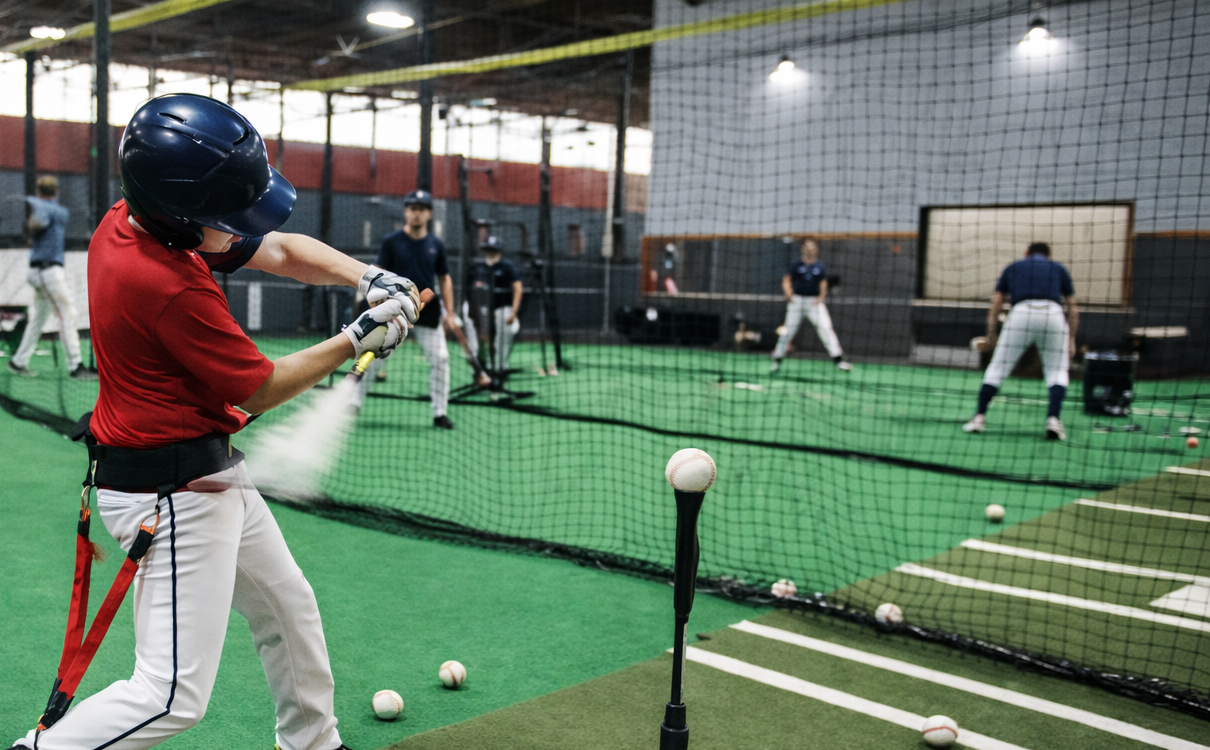
The offseason is one of the most important—and often misunderstood—parts of the travel baseball calendar. While games and tournaments get most of the attention, real growth happens when the pressure of competition is removed and players can focus on development. A well-structured offseason plan sets the tone for the entire season and helps players return confident, prepared, and motivated.
Focus on Development First
The primary goal of offseason training should always be player development. This is the ideal time to break down mechanics, build strong fundamentals, and address weaknesses that are hard to fix during the season. Without the urgency of winning games, coaches can teach, players can experiment, and mistakes can become valuable learning opportunities. Development-focused offseason programs consistently produce more confident, versatile, and durable players once the season begins.
Commit to 4–6 Hours Per Week
Offseason training does not need to be overwhelming to be effective. In fact, 4 to 6 hours per week is the sweet spot for most travel baseball players. This amount allows for meaningful reps without causing burnout or overuse injuries. Sessions can be divided into multiple shorter workouts that include throwing, hitting, fielding, strength training, and mobility work. Consistency matters far more than volume, especially during the winter months.
Encourage Independent and Individual Training
Team practices alone are not enough. Players should be encouraged to train independently or work with a qualified trainer to address individual needs. Some players may need extra work on hitting mechanics, while others benefit from pitching-specific training or strength development. Teaching athletes how to train on their own builds accountability and ownership—traits that separate average players from committed ones over time.
Start Sooner Rather Than Later
One of the biggest mistakes teams make is waiting too long to begin offseason work. January is the ideal start date for structured training. Beginning early allows players to ramp up gradually, rebuild arm strength safely, and avoid rushing preparation as the season approaches. Early starts also reduce stress and give coaches more time to evaluate progress before final roles and lineups are established.
Schedule Scrimmages
Scrimmages are a valuable bridge between practice and competition. They give players a chance to apply skills in game-like situations without the pressure of tournament results. Offseason scrimmages help coaches evaluate decision-making, situational awareness, and effort while reinforcing that execution and learning matter more than the score. They also help players regain baseball rhythm after time away from live play.
Create Intrasquad Competition
Healthy competition is a powerful motivator when used correctly. Intrasquad games, skill challenges, and position-based competitions push players to compete against teammates in a controlled environment. These competitions should reward effort, improvement, and execution rather than just outcomes. When done right, intrasquad competition builds confidence and raises the overall standard of the team.
Offer Incentives for Effort
Recognition goes a long way, especially during the grind of the offseason. Incentives do not need to be expensive or elaborate. Simple rewards such as practice player-of-the-week recognition, leadership opportunities, or small team privileges can motivate players to give consistent effort. Rewarding commitment reinforces positive habits and sends a clear message about what the program values.
Final Thought
A successful offseason is not about doing more—it’s about doing things with purpose. By focusing on development, managing workload, encouraging individual training, starting early, and creating competitive yet supportive environments, travel baseball programs can set players up for long-term success. The teams that prepare the right way in the offseason are the ones that benefit when the season begins.