
Overview
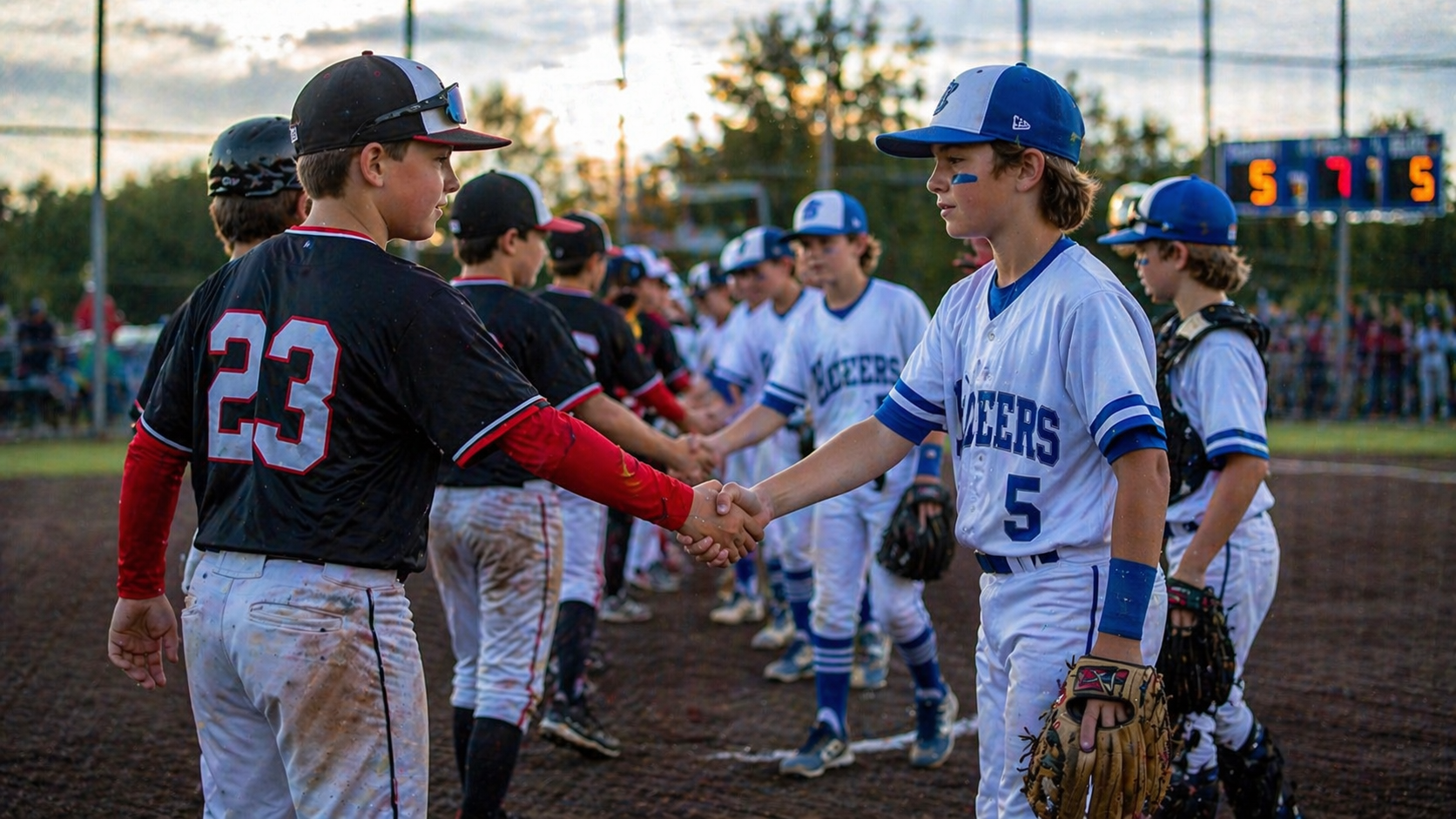
Sportsmanship is one of the most important yet often overlooked aspects of travel baseball. While wins, rankings and exposure tend to dominate the conversation, how players, coaches and parents conduct themselves on the field ultimately defines the experience. At its core, sportsmanship is about respect, integrity and accountability—values that extend far beyond the game.
What Sportsmanship Really Means
In travel baseball, sportsmanship is more than just shaking hands after a game. It shows up in how players respond to adversity, how they treat teammates and opponents, and how they handle success. A player who strikes out but returns to the dugout with composure demonstrates just as much character as one who hits a home run.
It also includes respecting umpires, following the rules and maintaining a positive attitude regardless of the score. These moments, often small and unnoticed, are where true development happens.
The Role of Coaches
Coaches set the tone for sportsmanship. Players will mirror the behavior they see. A coach who argues every call, shows frustration or disrespects opponents sends a message that winning is more important than character. On the other hand, a coach who stays composed, teaches accountability and emphasizes respect builds a culture that players carry with them long after the season ends.
Good coaches use teachable moments to reinforce sportsmanship. Whether it’s addressing poor body language or praising a player for helping an opponent, these lessons shape the team’s identity.
Parents and Sideline Behavior
Parents play a major role in the sportsmanship environment. Travel baseball can be emotional, especially with the time and financial investment involved. However, negative behavior from the stands—yelling at umpires, criticizing players or engaging with opposing fans—can quickly take away from the experience.
Positive encouragement, respect for all players and trust in the coaching staff create a healthier environment for everyone involved. Kids notice everything, and their behavior often reflects what they see and hear from the sidelines.
Handling Adversity
Adversity is a constant in travel baseball. Bad calls, tough losses and slumps are part of the game. Sportsmanship is revealed in how players respond during these moments. Maintaining composure, supporting teammates and continuing to compete the right way shows maturity and growth.
Learning to handle failure with the right mindset is one of the most valuable lessons sports can provide. It prepares players not just for baseball, but for life.
Respect for the Game
Respecting the game itself is another key component of sportsmanship. This includes playing hard, following the rules and honoring the traditions of baseball. Actions like showing up prepared, hustling on and off the field and respecting the field and facilities all contribute to a positive culture.
When players respect the game, they elevate not only their own experience but also that of their teammates and opponents.
Conclusion
Sportsmanship in travel baseball is about more than behavior—it is about building character. While competition is important, the way the game is played matters just as much as the outcome. Players who learn respect, accountability and composure through baseball gain skills that last far beyond their playing days. For teams, coaches and families, prioritizing sportsmanship creates a better environment and a more meaningful experience for everyone involved.