
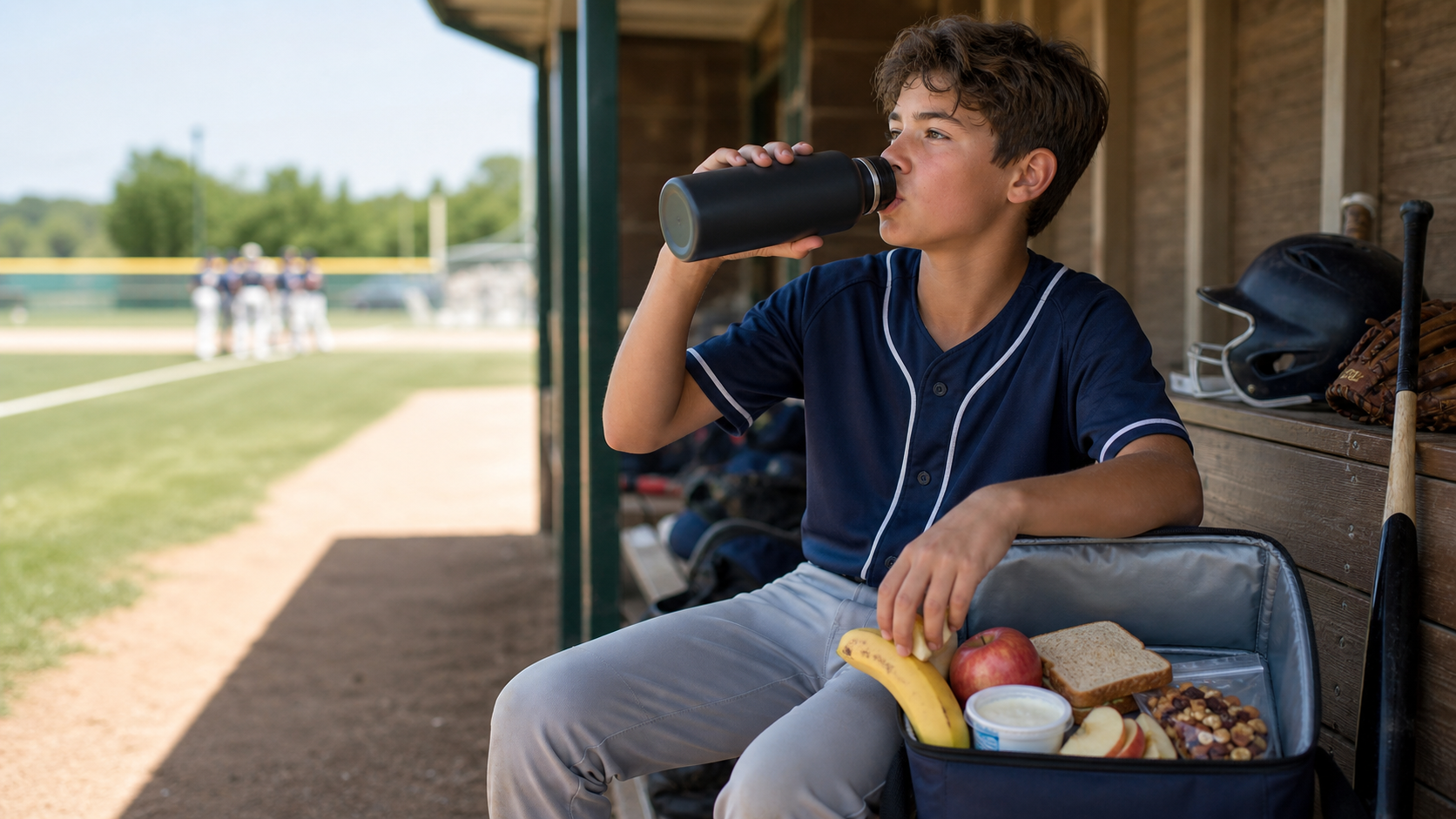
Tournament baseball places unique physical demands on young athletes. Players may compete in multiple games over a short period, spend long hours outdoors, and experience significant physical and mental fatigue throughout a tournament weekend. Proper nutrition plays a critical role in helping athletes maintain energy, recover effectively, and perform consistently. While nutrition alone cannot guarantee success on the field, poor nutritional habits can negatively affect focus, endurance, and overall performance.
Fueling Performance Before and During Games
Successful tournament nutrition begins before players arrive at the ballpark. Athletes should consume balanced meals containing carbohydrates, protein, and healthy fats in the days leading up to competition. Proper hydration should also begin well before game day rather than waiting until players feel thirsty.
Breakfast is particularly important during tournament weekends. Players should avoid skipping meals and instead choose foods that provide sustained energy. Oatmeal, eggs, fruit, whole-grain toast, yogurt, and similar options can help athletes prepare for the day ahead.
During tournaments, players should eat smaller meals and snacks throughout the day rather than relying on one large meal. Fruits, granola bars, trail mix, sandwiches, yogurt, and protein-rich snacks can provide steady energy between games. These options are generally more effective than candy, soda, or highly processed foods that may cause energy spikes followed by crashes.
Parents should also plan for varying game schedules. Delays, extra innings, and changing start times can impact meal opportunities. Having nutritious snacks readily available helps athletes stay fueled regardless of scheduling changes.
Hydration and Recovery Between Games
Hydration is one of the most important aspects of tournament performance. Even mild dehydration can affect concentration, reaction time, and endurance. Players should drink water consistently throughout the day rather than attempting to rehydrate all at once.
Sports drinks may be beneficial during hot weather or extended periods of activity, particularly when replacing electrolytes lost through sweat. However, water should remain the primary source of hydration for most athletes.
Recovery nutrition becomes especially important during multi-game tournaments. Consuming carbohydrates and protein shortly after competition helps replenish energy stores and supports muscle recovery. Chocolate milk, turkey sandwiches, fruit, yogurt, and protein shakes are popular recovery options for many athletes.
Families should avoid relying exclusively on concession stands for nutrition. While concessions can be convenient, planning ahead often provides healthier and more cost-effective alternatives.
Developing Healthy Long-Term Habits
Tournament weekends offer an opportunity to teach athletes valuable nutrition habits that can benefit them beyond baseball. Understanding how food impacts performance helps players develop greater responsibility for their preparation and recovery.
Parents should avoid using food as a reward or punishment related to performance. Instead, nutrition should be viewed as an important part of athletic preparation. Encouraging balanced choices while allowing occasional treats helps create a healthy relationship with food.
Athletes who learn proper nutrition habits early often carry those practices into high school sports and other areas of life. Consistency is generally more important than perfection.
Conclusion
Proper nutrition is a critical component of tournament baseball success. Balanced meals, consistent hydration, strategic snacking, and effective recovery practices help young athletes maintain energy and perform at their best throughout demanding tournament weekends. By developing healthy habits and planning ahead, families can support both athletic performance and long-term player development while creating a positive tournament experience.